domingo, 26 de outubro de 2014

News to implement sharks protection by CITES

List of species of sharks and rays protection. Photo by CITES.
Several species of sharks and rays have been threatened by fisheries and the strong market of shark fins around the world. But now great news happened last month to protect the sharks and rays! The Convention on International Trade in Endangered Species of Wild Flora and Fauna (CITES) focused on start stronger protection on more five species of sharks and two species of manta rays. This international convention is strong and with several stakeholders and policy makers they will began a direct control on fisheries landings and also the marketing of shark fins. Recently people of many signatory countries are being trained to identify the five species of sharks through their shark fins and now control and punished the countries and people who had fished these species.
To know more about this new click on the links bellow, enjoy and share with your friends!

Implementing New Shark Protections Worldwide


domingo, 12 de outubro de 2014

The Giant Clams: a scientific new inspiring new technologies


Giant Clam (Tridcna crocea) in Great Barrier (Australia) - Photo by Simone Marques
Do you already ask how this amazing marine species of mollusk produce this beautiful color in their tissue? Recently researchers of University of Santa Barbara (CA) discovery how visiting some special places of Pacific Ocean and testing in some species of Giant Clams with different colors in their tissues. First this wonderful color was provide by algae that use their interior clam as a house and also make this awesome color by a symbiosis with the clan by the photosynthesis. This symbiosis results on energy back to the clams. But the great challenge for this research was discovery how these algae inside of the clams capture the sun light for this symbiosis. They describe that this species presenting iridescent cells with ability to keep solar energy hiding in their shells and also with spectacular capacity to illuminate millions of cells of symbiotic algae that live inside. This discovery impressed the science to think about and inspiring in new technologies for solar energies for humankind.

This amazing research was published in the paper bellow! Click, enjoy and share with your friends!


Shiny Giant Clams May Inspire New Solar Tech


quinta-feira, 28 de agosto de 2014

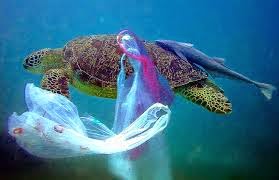
The chock of plastic bags in the oceans


Plastic debris in the oceans - Photos by Google Images


If we have the minimum of conscience about the plastic trash we produce we could improve the health of our oceans.

Click on the link bellow, watch the video, enjoy and share this conscience with your friends!


terça-feira, 26 de agosto de 2014

Coral's fish crushing raises conservation dilemma


Parrotfish Species from Great Reef - Photo by Simone Marques

Parrotfish species are considered a key species in several communities of reef ecosystems promoting balance mainly by the coral polyps as their preferencial food. In last 20 years the hard exploitation mainly from artisanal fisheries have declined several species of parrotfishes in reef ecosystems around tropical regions. 

Actually several studies from this reef fishes species have shown feeding behavior and their main function in reefs ecosystems. To know more about this interesting reef fishes and how they feed on coral reefs click on the link bellow, enjoy and share with your friends.


Bumphead parrot fish declare their arrival with a crunch

The beauty and importance of Kelp Forests


Kelp Forests - Photos from Google Images
This wonderful coastal and ecosystems ever surprise us with beautiful kinds of habitats and biodiversity. The Kelp Forests are so beautiful to appreciate and a great relevance for marine and coastal ecosystems as well in several parts of the oceans Pacif, Indic, Atlantic and Mediterranea Sea.

This special ecosystem shelter thousand of species and keep balance provide protection and food for fishes, invertebrates and also marine mammals. Many species of kelps are distributed mainly in temperate regions of Pacific and Atlantic oceans.

To know more about this ecosystem click on the link bellow, enjoy and share with your friends!
Seaweed Spotlight: A Rare Glimpse into Beautiful Ocean Kelp Forests


domingo, 24 de agosto de 2014

The harsh reality of fisheries


Artisanal Fisheries in the Northeast of Brazil - Photo by Simone Marques

"Most seafood eaters know the sad story of the Atlantic cod. The ill effects of the postwar buildup of industrialized American fishing are epitomized by that fish’s overexploitation: Gorton’s fish sticks and McDonald’s Filets-o-Fish all once rode on the backs of billions of cod. The codfish populations of North America plummeted and have yet to return."

"...According to the National Marine Fisheries Service, even though the United States controls more ocean than any other country, 86 percent of the seafood we consume is imported."

"...most wild Atlantic salmon populations have been fished to commercial extinction, and today a majority of our lox comes from selectively bred farmed salmon, with Chile our largest supplier."

"To make things triply strange, a portion of that salmon, after heading across the Pacific, returns to us: Because foreign labor is so cheap, many Alaskan salmon are caught in American waters, frozen, defrosted in Asia, filleted and boned, refrozen and sent back to us. Pollock also make this Asian round trip, as do squid — and who knows what else?"

"We can have no more intimate relationship with our environment than to eat from it."

These texts above were copied from a great report about where the fish that you eat come from, written by PAUL GREENBERG. 

After read this  terrific report about fisheries, the reality in my country is not so different. Really we don't know nothing about where the fishes and other marine organisms (lobsters, slumps, shrimps) that we eat come from and what's happen after the fisheries in the foreign trade. In these days all of us living in busy way, and we never stop to thinking about what we are eating and where this animal, fruit, vegetal come from. And how are the population of each species from marine ecosystem that humanity like and consume since they begun to explore?

In Brazil several products from fisheries are exported and we don't know what will make with this fishes in the other countries. Is a "swap"? In the other pathway several fisheries products are imported and we think this a good product produced by other country as salmon, Kani and others products used in Japanese and Chinese food for example. 

Now is time to think about it and look for where this food come from, how they were fished and where they were produced. Our country should have the rules and legislation in each food that you consume and how they are produced. You as a citizen could be informed better and try to consume more natural products from the coastal and marine ecosystems produces by our own country.

To know more about what's happening in the fisheries and their trade around the world click on the image bellow, enjoy and share with your friends!


quinta-feira, 21 de agosto de 2014

Rising Sea Level

Image by Helm et al., The Cryosphere (2014)


Climate change is great matter of concern. During the last decades many changes and forecasts about climate change, global heating, rising sea level, ocean acidification have been recorded. So it was and is happening or this will happen independent about the human impacts in the natural environments?

Most of forecasts of climate change sounds that the human impacts are accelerating the effects of global heating, rising sea level and negative impacts on the coastal and marine ecosystems. The IPCC (Intergovernamental Painel on Climate Change) also make forecasts with several projects and researches with great expertise in climate change showing what will happen in the next 40 years in our oceans and earth surface. Every forecast is true?

Click on the link bellow, think about what's happen, and share with your friends!